What to check before booking a self drive buggy in the dunes
Booking a desert buggy experience is simple on the surface. You pick a time, arrive, and head into the dunes. The details matter, though, because desert driving is not the same as driving on a track or a city road. A little checking before you book helps you match the experience to your comfort level, avoid surprises, and know what is expected on the day.
The points below focus on practical things a rider can review in advance. They are not about finding the lowest price or the fastest vehicle. They are about making sure the trip suits the people going, the terrain, and the level of independence you want.
Confirm what self drive really means
Start by checking whether you will actually drive, and for how much of the experience. Some desert outings include a short driving section after a transfer, while others are built around driving from the start. The phrase can be used loosely, so read the wording carefully.
If the listing mentions a guided route, ask whether guests follow a leader or drive freely within an agreed area. That distinction affects the pace, the turns, and how much attention you need to pay to navigation. A guided format can feel easier for first timers, while a more open format may suit confident drivers who want a steadier rhythm.
Also check whether each rider gets a vehicle or whether driving time is shared. For couples, families, or groups, this can change how the day feels. One person driving the whole time may be fine for some groups and frustrating for others.
Check the driver requirements before you commit
A self drive experience still has rules. Age limits, driving experience, height or weight ranges, and passenger requirements can all affect who can take part. These details are worth checking before travel plans are fixed, especially if children or newer drivers are involved.
Think honestly about driving confidence. Sand changes grip, steering response, and braking distance. A person who is calm on tarmac may still need time to settle into dune terrain. If the trip includes steep approaches or fast descents, that is a different demand from a gentle ride over firmer sand.

It is also sensible to check whether a safety briefing is included and when it happens. A good briefing should cover buggy controls, hand signals, spacing, what to do if the vehicle stalls, and the emergency stop procedure. If this part is rushed or unclear, the driving portion becomes harder to enjoy.
Look closely at the route and terrain
Desert terrain varies more than many visitors expect. Some areas have broad, firm tracks with gentle rises. Others have soft sand, sharp crests, and sloped faces that require more care. The route description can tell you a lot about the difficulty level.
References to sand dune types are useful when they are explained in plain language. Firm sand is easier to steer on, while soft sand needs smoother inputs and more patience. Climbing angle matters too. A low, rounded climb feels very different from a steep ridge that asks for careful line choice.
Descending speed is another detail to consider. Fast downhill sections can be exciting, but they also reduce reaction time. If the route includes narrow turns near dunes, high speed can feel uncomfortable. Ask whether the pace is controlled or whether riders choose their own speed within limits.
When comparing options for dune buggy dubai, look for descriptions that explain the terrain rather than relying only on dramatic photos. A clear route note helps you judge whether the experience is relaxed, active, or genuinely demanding.
Review the vehicle setup and basic controls
You do not need to be a mechanic, but you should know what kind of vehicle you will be driving. Check whether it is a single seat or two seat buggy, and whether it has an automatic transmission. For many visitors, automatic controls make the experience easier to manage because attention can stay on the sand ahead.
Ask how the main buggy controls are explained before departure. You should understand acceleration, braking, steering, and where the hand brake is located. It also helps to know what warning lights or unusual sounds mean, so you can stop early rather than continue with a problem.
Seat belts, roll protection, and mirrors are worth noting. These do not remove the need for care, but they support safer driving. If a vehicle has a visible issue, such as a loose strap, damaged mirror, or warning light, mention it before setting off. Minor concerns are easier to handle at the start than out in open sand.
Do not try to repair mechanical or electrical problems yourself. Anything involving fuel systems, wiring, brakes, or safety equipment should be left to a qualified professional. A rider's job is to report the issue clearly and avoid using the vehicle until it has been checked.
Understand the booking time slot
The booking time slot affects more than convenience. Light, temperature, and sand conditions can change through the day. Earlier slots may feel cooler and more open, while later slots may offer softer light and a different atmosphere. Neither is automatically better. The right choice depends on what you value.
Check arrival time separately from driving time. A slot may include paperwork, safety information, and preparation before anyone gets into a buggy. Knowing this prevents rushed arrivals and helps you plan transport, especially if you are staying away from the desert area.
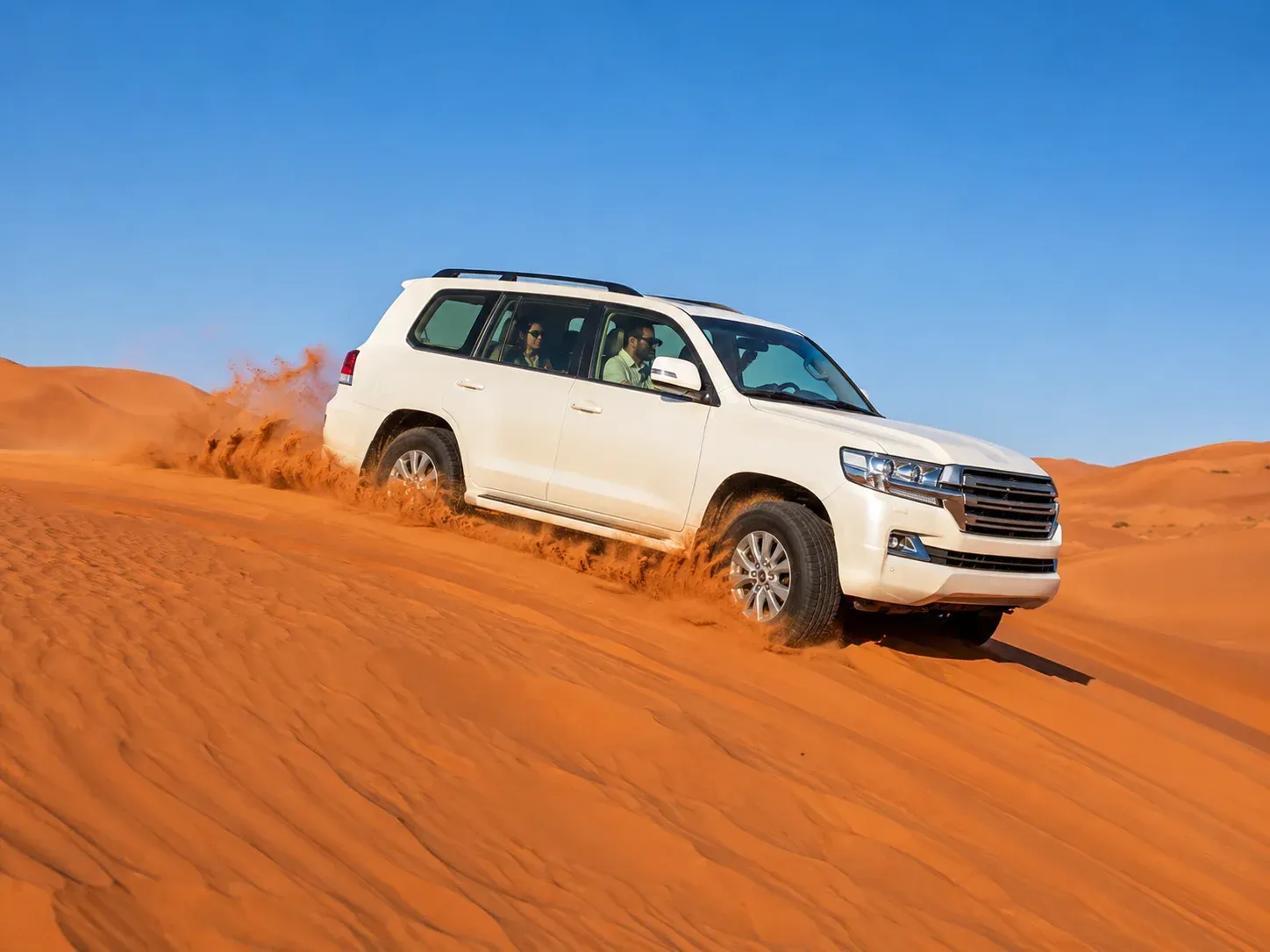
It is also worth asking what happens if conditions change. Desert activities can be affected by weather, wind, or local operating decisions. A clear policy makes it easier to understand your options if the schedule shifts.
Ask what is included and what to bring
The practical side of the day matters. Check whether protective gear is supplied, and whether there are rules about footwear, loose clothing, or long hair. Closed shoes are generally more suitable than sandals for driving, and secure clothing is less likely to catch on controls.
Water, sun protection, and eye protection deserve attention. Desert dust and glare can be tiring, even on a short drive. Sunglasses with a secure strap can be useful, and a scarf or face covering may help when the wind picks up. If you wear prescription glasses, plan for dust rather than assuming clear conditions.
Phones and cameras need a safe place. Loose items can slide or fall during driving. Use a secure pocket or a closed bag that will not interfere with your feet or the controls. If you want photos, agree when the vehicle is stopped rather than trying to hold a camera while driving.
Check group size and pace
Group dynamics shape the experience more than many people expect. A small group usually means less waiting and clearer communication. A larger group may feel lively, but it can also create pressure to keep up.
Ask how the pace is managed when riders have different confidence levels. A well-run outing should allow slower riders to stay comfortable without making faster riders feel held back. Clear spacing rules matter on dunes, where a vehicle ahead can disappear from view over a crest.
If you are booking with friends, discuss expectations before the day. Some people want a calm ride with frequent stops. Others want a more active session. Matching those preferences in advance avoids friction once everyone is out on the sand.
Read the safety rules as a rider, not as a formality
Safety information is not just paperwork. It tells you how to behave around other buggies, what to do near crests, and how to respond if you lose direction or confidence. Listen for rules about following distance, stopping zones, and overtaking. These points are especially relevant where sand limits visibility.
Pay attention to the emergency stop instruction and any hand signals used on the route. If you are unsure, ask for a repeat before departure. A simple question at the start is far better than guessing in the moment.
Avoid aggressive steering, sudden braking, and sharp turns on unfamiliar slopes. Sand can shift under a vehicle, and a buggy that feels stable at low speed can behave differently on a side slope. Smooth inputs give you more control and make the ride more comfortable.

Know what to do on the day
Arrive with enough time to listen, ask questions, and get settled. Rushing through the beginning tends to carry into the drive. Wear clothing you are comfortable getting dusty in, and keep valuables secure.
During the ride, use the early minutes to learn how the buggy responds. Get a feel for steering, braking, and acceleration before attempting anything ambitious. Keep a comfortable gap from other vehicles and take cues from the route instructions.
If something feels wrong, stop in a safe, agreed area and ask for help. That could be a strange noise, a warning light, unclear directions, or simple uncertainty about the route. Good judgment is part of a good ride.
Make the final choice with clear expectations
Before you book, compare the experience against your own priorities. Decide whether you want a gentle introduction, a guided route with steady support, or a more independent drive. Check the route, the vehicle setup, the time slot, the safety briefing, and the group format. When those pieces line up, the day is much easier to enjoy.
A self drive buggy trip can be memorable for the right rider, but the best choice is not always the most intense one. Clear information before booking leads to calmer decisions on the sand, and that usually makes for a better experience from start to finish.